
The Cost of Culture: Capitalism in Irish Music
Modern day success in the music industry looks very different to what it did 40 years ago. Success is no longer arbitrary, but instead measured by your height in the charts, your amount of streams or the amount of ticket sales per gig. Musicians are working with brands like Puma and Adidas, and are collabing with food companies like McDonald's and Oreo. music culture has progressively mirrored the phases of late-stage capitalism, art is now content marketed to an audience by entrepreneurs within artists. But how have we strayed so far from the core of what music truly is, and does the Irish music scene reject or embrace this? As a culture so deeply rooted in social independence, with community at the centre of its message, I would say Irish music challenges a striking counterpoint.
In an age where digital streaming platforms are the majority’s way of streaming music, it’s no surprise the natural progression of the music industry was towards an ideal of wealth. Artists are no longer encouraged into releasing albums to demonstrate their personal relationship with their music, but are instead encouraged into releasing singles for optimum playlist opportunity and to cultivate a brand instead of a vision. Social media plays a key part in this as, instead of gaining an audience through live shows, musicians are now targeting live platforms as ways of display. Artists now have to curate a brand and an image to define them, before any music is even heard. The economy has digitalised, and digital marketing is at the core of this. Short clips allow snippets of songs to ‘blow up’, meanwhile the rest of a hardworking discovery gets neglected. This sensation has detrimentally affected the progression of a modern day industry as structure of songs now has changed from sustained listenability to short-lived virality. Hooks are pushed as a for-front, intros are shortened and musical complexity is sacrificed in the hopes of becoming famous.
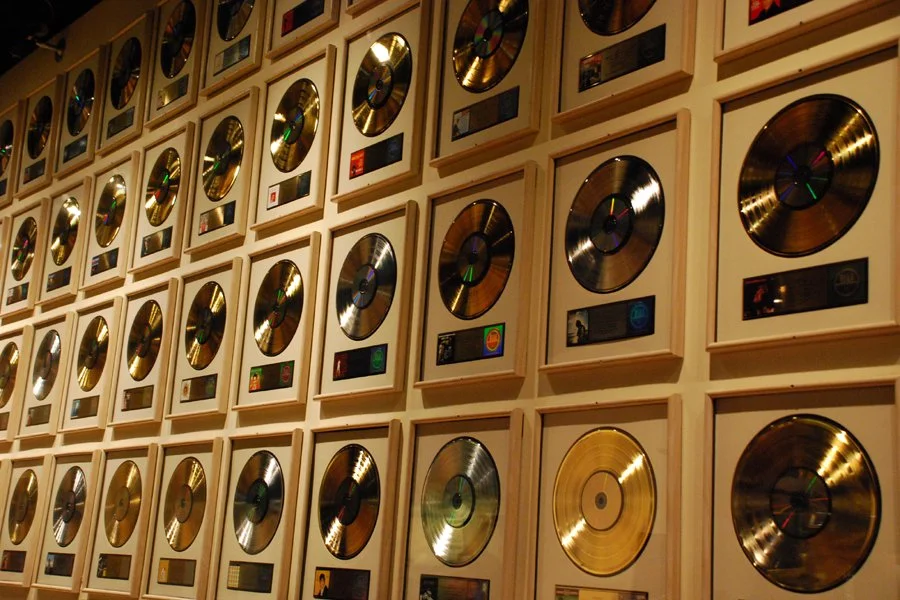
However, the economic model behind this encourages an even scarier concept. Spotify gains money off of streams so this model, although providing a form of unprecedented visibility, also encourages a detrimental cycle that capitalism has sunk its teeth into. There is an inescapable paradox created as songs with millions of views on tiktok don't correlate to sustainable careers or streams on their bigger discography. This has a severe cultural cost, as music as a form of expression and art is no longer centred on storytelling but instead shortened to appealable fragments.
Meanwhile, as much of the modern industry has adapted to the attention economy of these short clips, I think it's safe to say Irish music has steered well clear. This is rooted in the traditional values of the Irish people, where priorities lie not within virality and digital branding but instead within community and participatory live performance. In this way it quietly rejects and resists this fragmented notion of art.
Within the rise of traditional music being incorporated into modern artists (such as Madra Salach, Lankum and The Mary Wallopers), reject deliverance from a song's initial hook and instead rely on the value of patience and repetition. The enjoyment of music doesn't come from 15 seconds, but instead the depth of the performance and its extensive build of sound within a room.
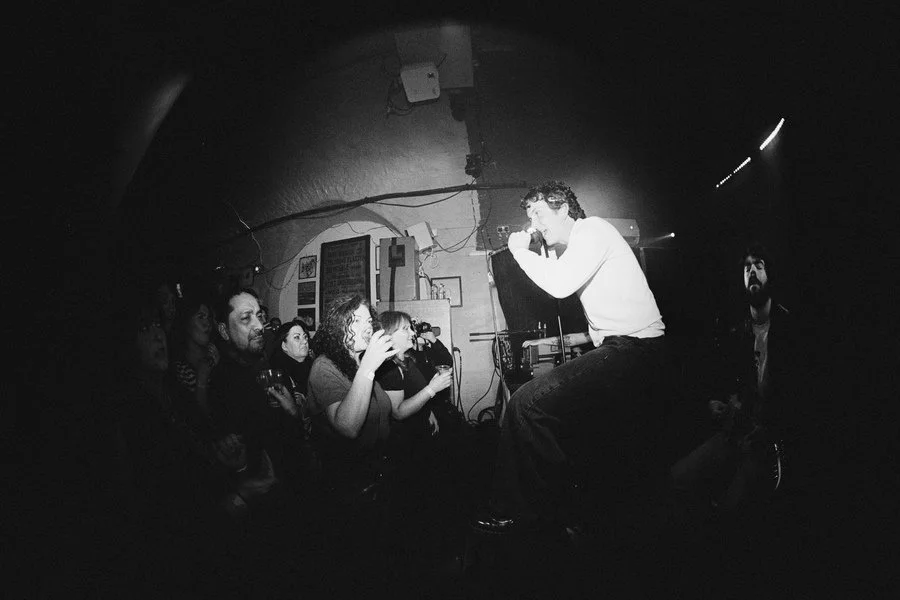
Storytelling being put at the centre of Irish music also helps combat this rise of capitalistic value. The front and centre of music isn't tainted by the stain of looking for a quick cash grab, it is the expression and display of stories felt deeply within not only culture but personal experience. Songs like ‘The man who seeks pleasure’ by Madra Salach rely on a drone heavy, repetitive and raw folk atmosphere to display the deeply personal notion of a relationship between hedonism, the ultimate evil and love. This type of music has a simple tenderness that could never be taken over by the concept of money or gain, but instead of displaying the deeply relatable, however sometimes niche notion, of relationship and dynamic between people as lovers (or not).
Another important and detrimental factor to modern music is the rising costs of ticket pricing. Dynamic pricing has allowed money to factor before art does, which is a struggling concept as Irish music longs to belong and root itself in accessibility. Fontaines have regularly mentioned their connection to grassroots venues, and their first album Dogrel is one that mentions and is rooted in the time playing and connecting in local, intimate venues.
However, none of this puts Irish music at the outskirt of modern music. Irish artists are still at the headline of most music festivals globally, with bands such as Fontaines DC and The Murder Capital, but that does not shift the reliance on social economy over commercial economy. In the roots of Irish music, there is no clear distinction between performer and consumer. Although in a world competing with ticket prices to allow listeners to attend their favourite bands, notions like Belfast’s Late Night Art scene encourage the simple value of comradery over consumerism. Jameson’s collaborative nights give free tickets to those wanting to attend, allowing the priority of music to be heard over earning, single-handedly being able to combat prices in a time plagued by rising costs. Nights like this, along with events such as Output Festival where bands are showcased to a free audience and conferences are free to those who desire to listen, are an example of the quiet resistance towards the capitalisation of music. Through comradery of valued partnerships, the conference and showcase allows musicians to participate whether on a stage or in the crowd but not have to feel restricted by the already tight funds within wanting to perform.
Ultimately, as capitalistic tendencies push music towards higher profits and larger spectacles, artists rooted in tradition argue for a broader vision; one that allows music to remain accessible and communal. The sustenance of music is ultimately placed in the hands of the consumer, however this also allows a power to an audience of being able to fight the rising costs faced by themselves and the performer and to ground it to what is important. The critique is not just about ticket prices; it is about protecting the idea that live music should belong to everyone, not only those who can afford the highest price of entry.