Past in the Present: How Irish Trad Shapes Modern Music.
In a small and crowded pub somewhere in the middle of Ireland late into the evening, you could bet good money there would be the sound of a fiddle beginning to tune itself. The tin whistle starts to play, the bodhrán starts to drum and a guitar alongside brings the fullness of the sound together. This isn't a unique experience to find walking through the streets of Ireland, a trad session being a nightly or weekly occurrence, but it’s one that has always been at the centre of the way music is shared. The tune being played may well be centuries old, but traditional Irish music has always sat quietly beneath the surface of Irish music. However, what most people don't think about is how deeply intertwined the two things are. For many modern musicians, trad music isn't just a genre but instead a cultural language, and it's one that breathes its life into all processes of modern music, such as songwriting and identity.
The most defining characteristic of traditional Irish music is its ability to travel through generations of families, over county borders, and even overseas. Oral culture strengthened its ability to be heard, making it one of the most adaptable and prevalent forms of music in the entirety of Europe. Before the days of sheet music and recordings, the only way of maintaining a song was to listen by ear, remember by heart and play with all your soul. This is a notion carried through to the modern day.
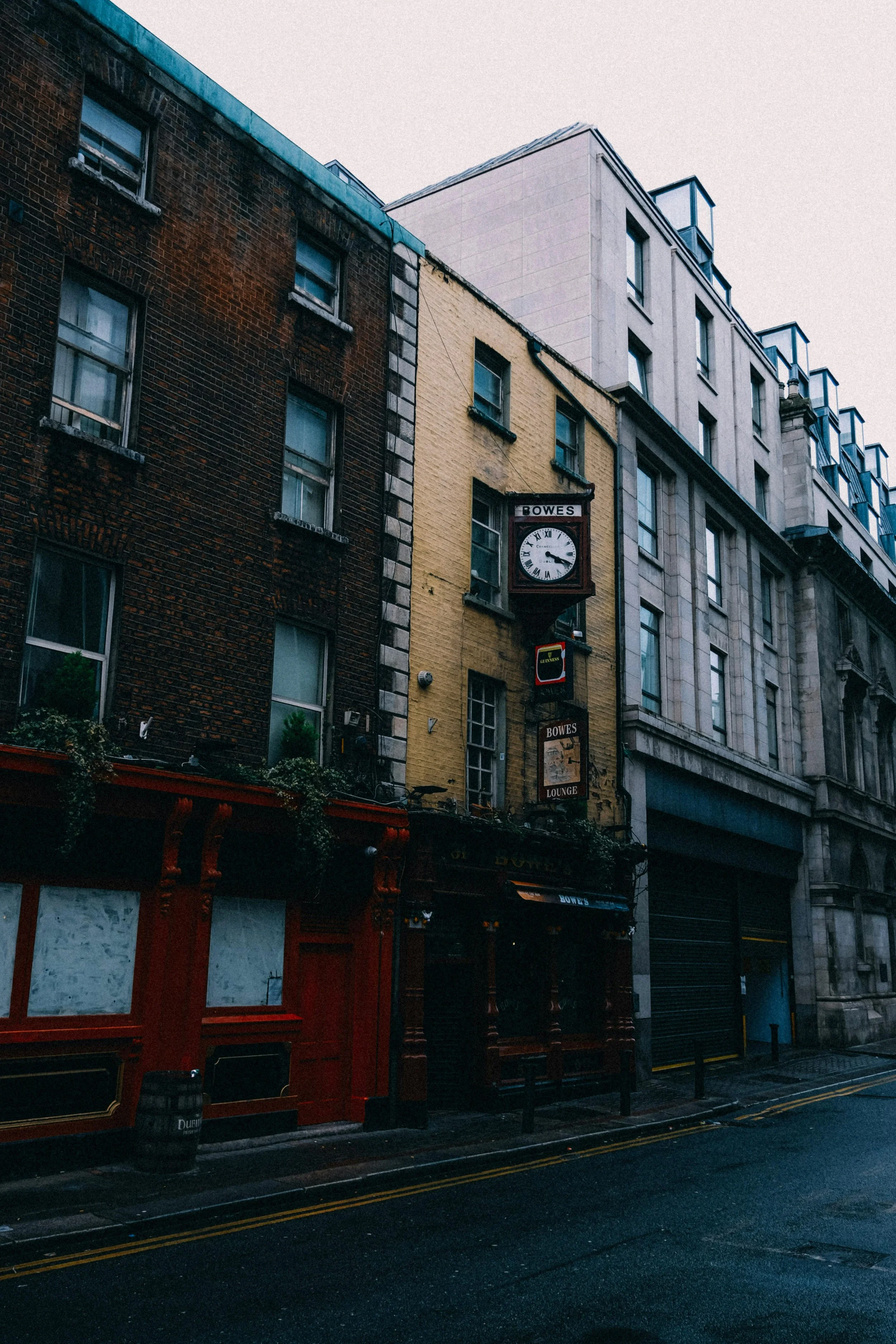
The first and one of the most important modern revivals of Irish trad music was done by Seán Ó’Riada. This Irish composer incorporated both traditional and modern techniques to create a blend of music that appealed to a 60s audience. After that, bands like The Dubliners turned the small pub playing trad sessions into globally and internationally recognised music. Yet, despite its growing popularity, the music never left its sense of community behind. Folk revival was sparked by The Dubliners in small pubs like O’Donoghues in Dublin, an imperative venue for the sustenance of their fame. Between the 60s and 80s all members of the band played at their sessions, developing a lot of their songs before being recorded. Although moving to larger festivals such as Lisdoonvarna in Tallaght (One of Ireland’s largest folk and traditional festivals of the late 70s), they never lost the core of their music: the Irish community. Although moving from informal sessions to the public community, the venues and types of shows they played never strayed from the communal character of shows.
Another defining characteristic of all Irish traditional music, which has influenced many modern artists, is melodic structure. Cyclical and flowing melodies act like a storyteller, weaving in and out of the artist's experience, juxtaposing that which can be heard in rigid pop music. Artists like Hozier use the melodic forms used in jigs and reels to layer undertones of culture to their music but also to borrow their comforting and narrating effects. Circling themes empower the songs, with slow builds pushing to topple over, capturing the traditional essence of the tunes. His album Unreal Unearth uses these characteristics and combines them with the irish language in songs like ‘Uiscefhuarithe’ (meaning 'water-cooled' as a synonym for intimacy) and ‘Butchered tongue’ (that deals with themes of Irish heritage and the loss of language) to give the songs a strong core of Irish identity.
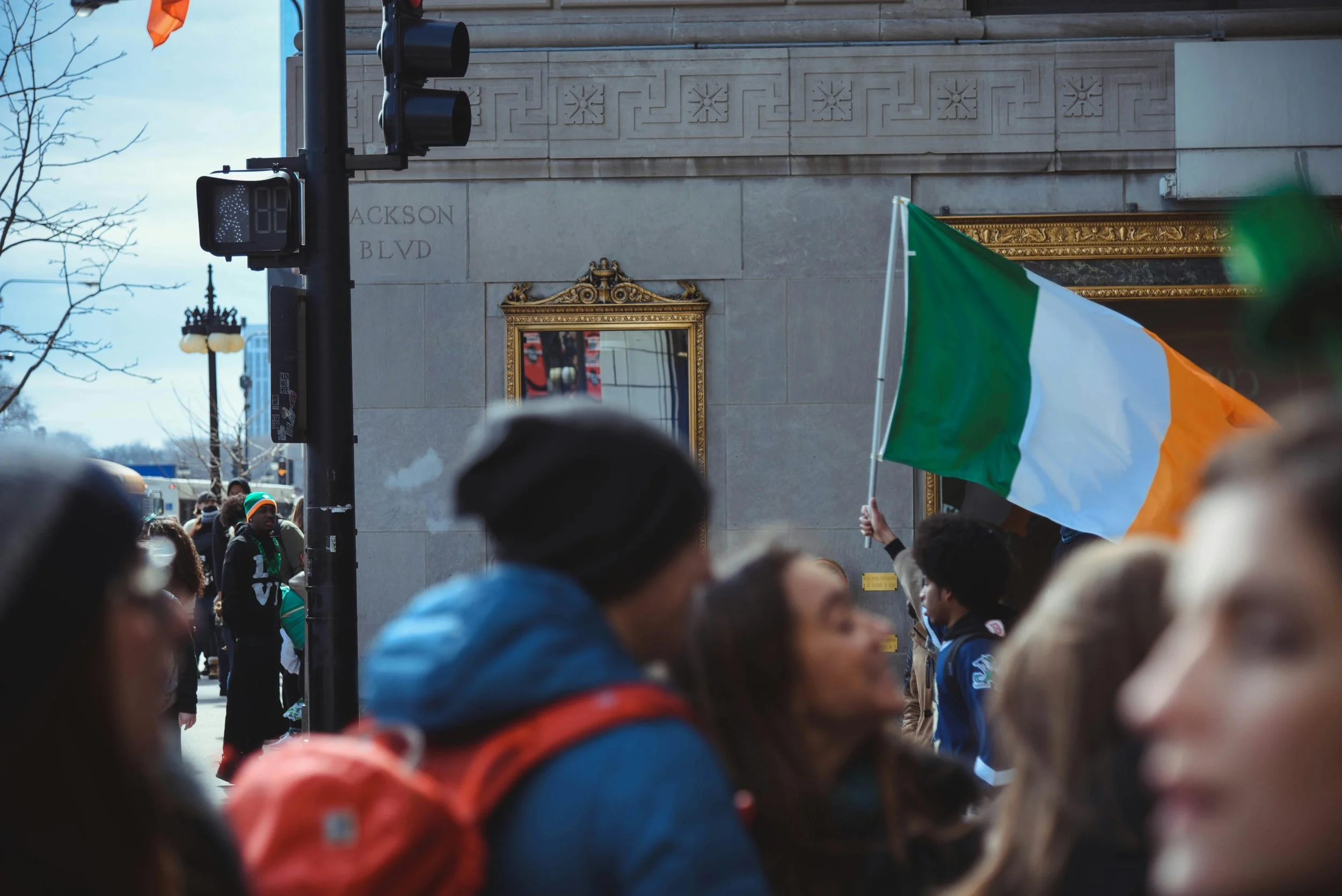
The past few years have led to a global increase in the visibility of Irish artists, and although they are using darker and textured resources as an embrace of modernity, the centre of their music is their traditional Irish roots.
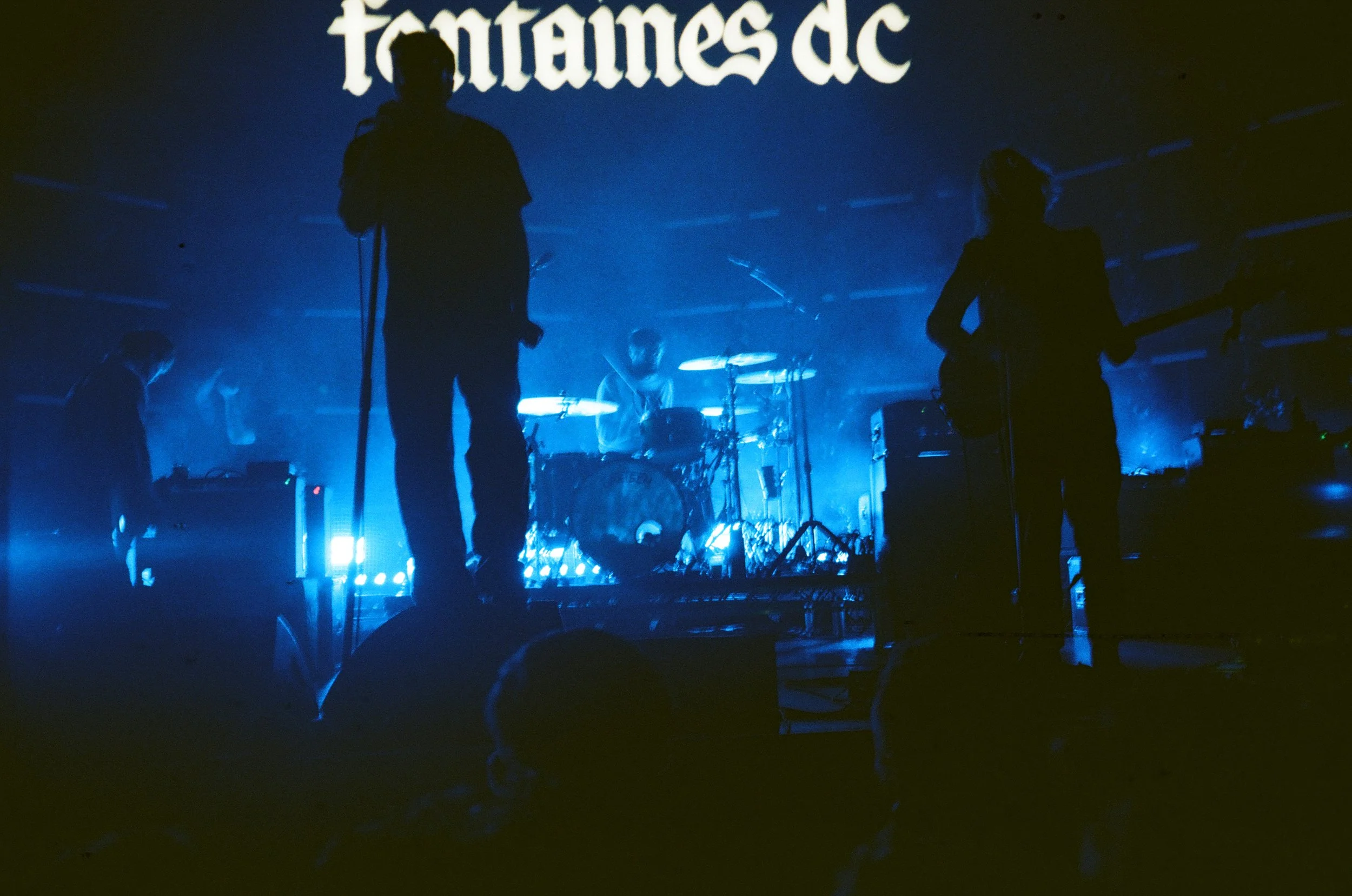
Irish tradition is rooted in its storytelling and this is exactly what its modern music is also doing. Bands like Lankum use the uilleann pipes, fiddles, and guitar to instrumentally mimic the traditional essence of Irish music while simultaneously revitalizing it on a global scale; meanwhile, bands like Fontaines DC draw on the modal melodies and folk storytelling attributes as a nod to their cultural roots. Historically, music carried themes of politics, humour and grief as outlets before written records were accessible. This has then become an incredibly important part of the music. Artists like Sinéad O'Connor, who blended her activism into her songs, speaking of child abuse, systemic misogyny, and corruption within the catholic church, bring modern issues to a traditional quality of music. Additionally, bands like Fontaines DC, incorporate storytelling into songs like ‘I Love You’ as a politically charged love letter to embrace the emotional conflict of grieving Ireland and its beauty while simultaneously being angered at its political corruption and historical atrocities.
Irish storytelling foregrounds the themes of these bands, with the modern expressions being used to fuel their fire. For many Irish musicians, traditional music represents more than an aesthetic influence. It carries cultural and historical weight that weighs upon the themes of their music, infiltrating its way from their lives. The colonial history can’t not be acknowledged, with modern artists still consciously and unconsciously engaging with themes of their national identity; however, the traditional melodies used in the modern sphere allow resilience and a sense of place to remind their listeners that Irish culture has always been shaped by both continuity and change.
Overall, the past doesn't simply influence Irish music; it plays along. Although historical, it isn't stored behind museum glass but instead shared and molded to be constantly reshaped by the musicians who inherit it. Modern music carries the traditional Irish rhythm forward, so this Paddy’s day whether you're listening to the Dubliners, The Pogues or Fontaines, remember you're hearing more than just music. You're hearing a tradition that has rightfully refused to stay in the past.