
One of the most exciting things about being an enjoyer of any type of music is the culture it creates from being a fan. Some of my favourite moments during gigs of recent years come from the simple interactions between fellow fans. Although this could be your first time in the city, the country, the venue (or even your first time meeting the person you're drunkenly yapping away to), there's always that wholesome notion that it’s the music that has brought you together. Fan culture has always been something that has intrigued me, and it's probably because for a lot of my developmental years, it was something that consumed me. Whether it was waiting in queues hours before a concert started or sitting in my bed until the small hours of the morning scanning for new information across various social media platforms, I always seemed to have a consistent effort put into the job of being a fan. As I’ve aged, it’s warped and twisted to morph into whatever era of life I'm in, and I think that as a concept is a notion anyone who has ever enjoyed music can relate to.
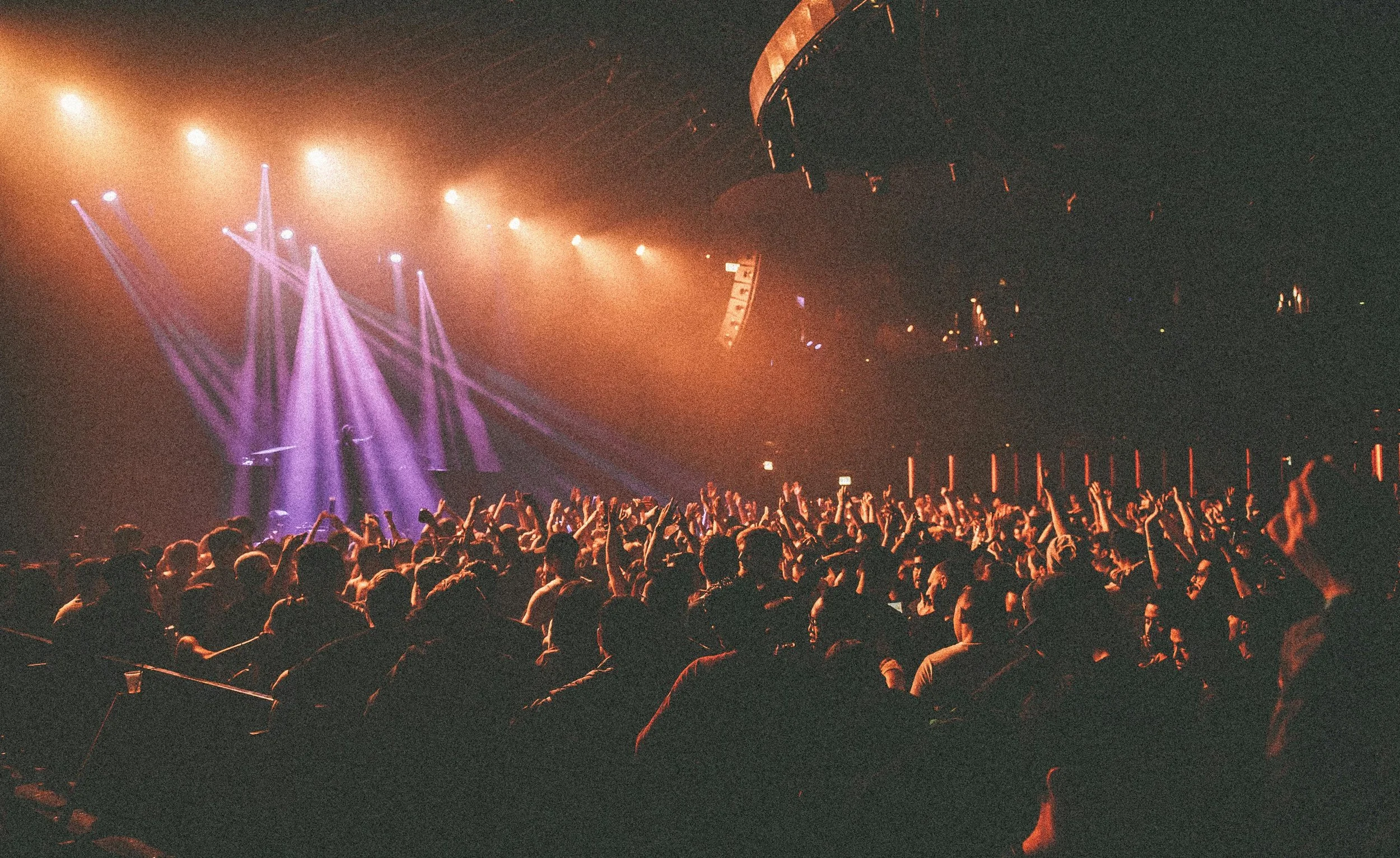
'Fangirling' is a word that once used to bug me, normally due to its obsessive negative connotations that were used against me, but looking back, it is an idea I now admire. The level of dedication to a single artist or band is genuinely impressive, and something I was able to share with my closest friends. I look back fondly on staying up all night in anticipation for a new album or waking up at 6am to make sure I got tickets for a band's headline tour because, as much as I lost out on a lot of sleep, I created memories and an appreciation for music. There seems to be a stereotype surrounding being a hardcore ‘fangirl’ and that meaning you have to be female, but I grew up in an environment where this never applied. I was encompassed with stories from my dad on how he snuck into the soundcheck at an old Mandela Hall gig for The Farm, where he ended up taking the band on a night out in Belfast after, or how he snuck backstage to be able to drink with Ian Brown after seeing The Stone Roses play their last tour (that one happened far too recently). These stories could be seen as that stereotypical ‘fangirl’ behaviour but in my opinion, it is just evidence of the pure joy and commitment that can be derived from loving a band.
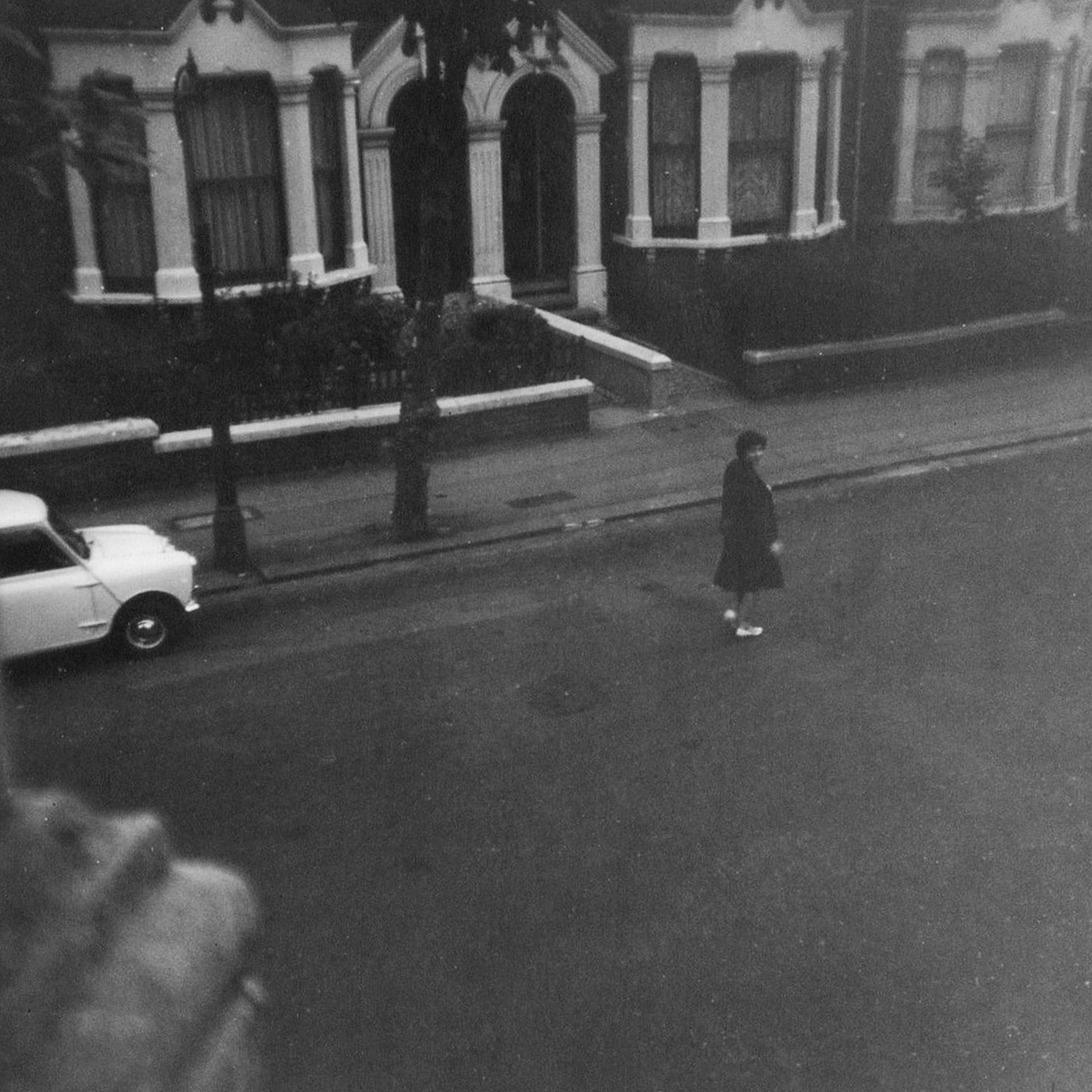
The concept of fan culture isn't a new idea in the slightest. Youth culture shifted under the feet of the '60s when Beatlemania took the world by storm, hysteria riddling the minds of the fans. The concerts were so loud that security guards covered their ears, with the crowd of 55,600 at the Shea Stadium gig of 1965 being recorded at 131.35 decibels (that's 28 decibels louder than a jumbo jet taking off 100 feet away). This level of adoration and devotion wasn't seen as anything more than the ordinary, as it was the norm of the youth, so it makes you wonder: why is being a fan so much more crazed and talked about now?
From the 2010s on, fan culture picked up in pace and intensity comorbid to the fact that a digital age was running rampant alongside it. Instead of having to show commitment through buying tickets to your favourite shows, you could now write a 6-piece thread on twitter to confirm your dedication. I can't lie; a lot of my young-mid teenage years were spent rifling through tumblr, twitter and reddit, scoping out the newest gossip on Luke Hemmings from 5 Seconds of Summer or Taylor Swift’s new deep cut unreleased song but is this type of behaviour intense enough to be labelled as ‘fangirling’? It's usually the case for young women to be labelled as crazed fangirls or hysterical and obsessive in comparison to being just a dedicated and culturally participating member of an audience, but I think being a part of the local and Irish scene has helped break down these barriers.
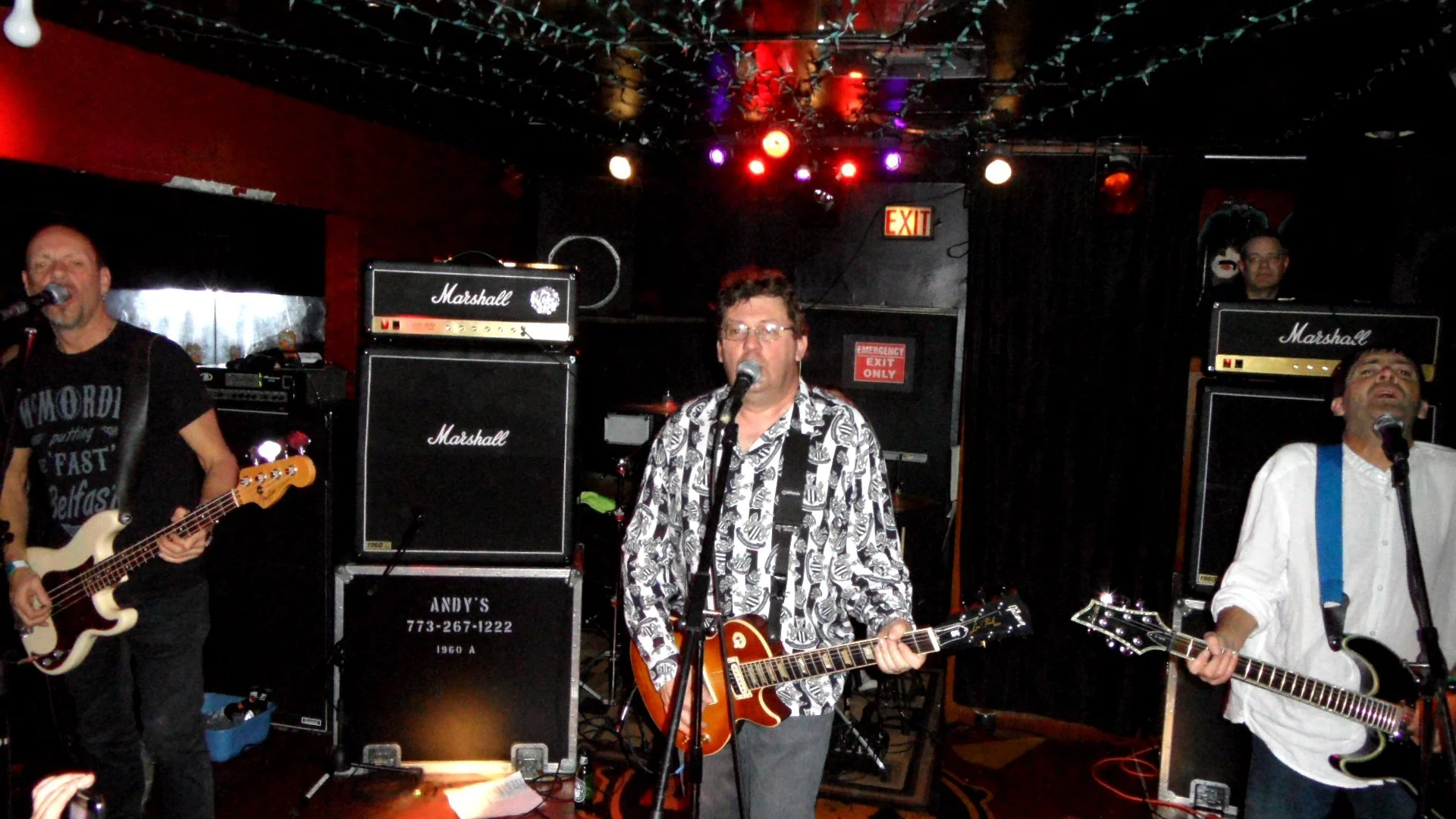
Ireland has historically held fan culture as an imperative part of its collective identity, with bands like Stiff Little Fingers encouraging participation in ways beyond just attending shows. The 1970s punk scene of Belfast encouraged moral value changes and fashion DIY as a new ethos of being a ‘fan’, an ideal that has been carried to apply to more recent artists too. One of my favourite fan memories comes from seeing Inhaler at St Annes Park last summer, where multiple ‘I love my Irish boyfriends’ T-shirts surrounded the grounds. Instead of feeling like a small and obsessed fangirl, I and my best friend danced our wee hearts out, surrounded by hundreds of people doing exactly the same thing. As much as bands like Inhaler have broken the barriers of Irish culture, infiltrating the UK and America too, there's a certain Irish pride that could be felt hearing them play in their home city.
Some of my favourite shows have been here in Belfast, the first Irish city to receive the accolade of UNESCO city of music. It's no doubt that its punk and trad roots have encouraged venues with dedicated fans to attend shows, but there's something that lies deeper in understanding the way Belfast fans behave. The richness of our approach to music as a viewer permeates the boundary between practitioner and spectator, there being a closer connection to the musician and their audience. The fans learn the songs and participate through fashion and zines, as well as being an expressive and celebratory member of a fanbase. People channel their love for music and particular artists into their own art, a notion so culturally rich and distinctly Irish. Whether it’s dedicating local artists to make merch or making their own (such as the class screen-printed merch from Madrua designed and made by artists Ailish Dynan and Eabha Campbell), the threads of artistic ventures run solidly through both performer and audience.
One of the most recent shows I attended was ‘Faoin Solas’, a night put on in both Dublin and Galway by Florence Road. The show sported an entirely Irish lineup, with Dreamboy, Esmerelda Road, Brooki Band and Florence road all donning the stage. The gig was sweaty and the crowd was fizzing in anticipation, all people who came to show their endearing support. I've been seeing fan accounts and edits on my social media for months dedicated to Florence Road but there was something so incredibly special about seeing this admiration in front of my own eyes. It really emphasized how imperative and exceptional it is to see a band from your local scene make it to the extraordinary level Florence Road has, especially to a younger audience.
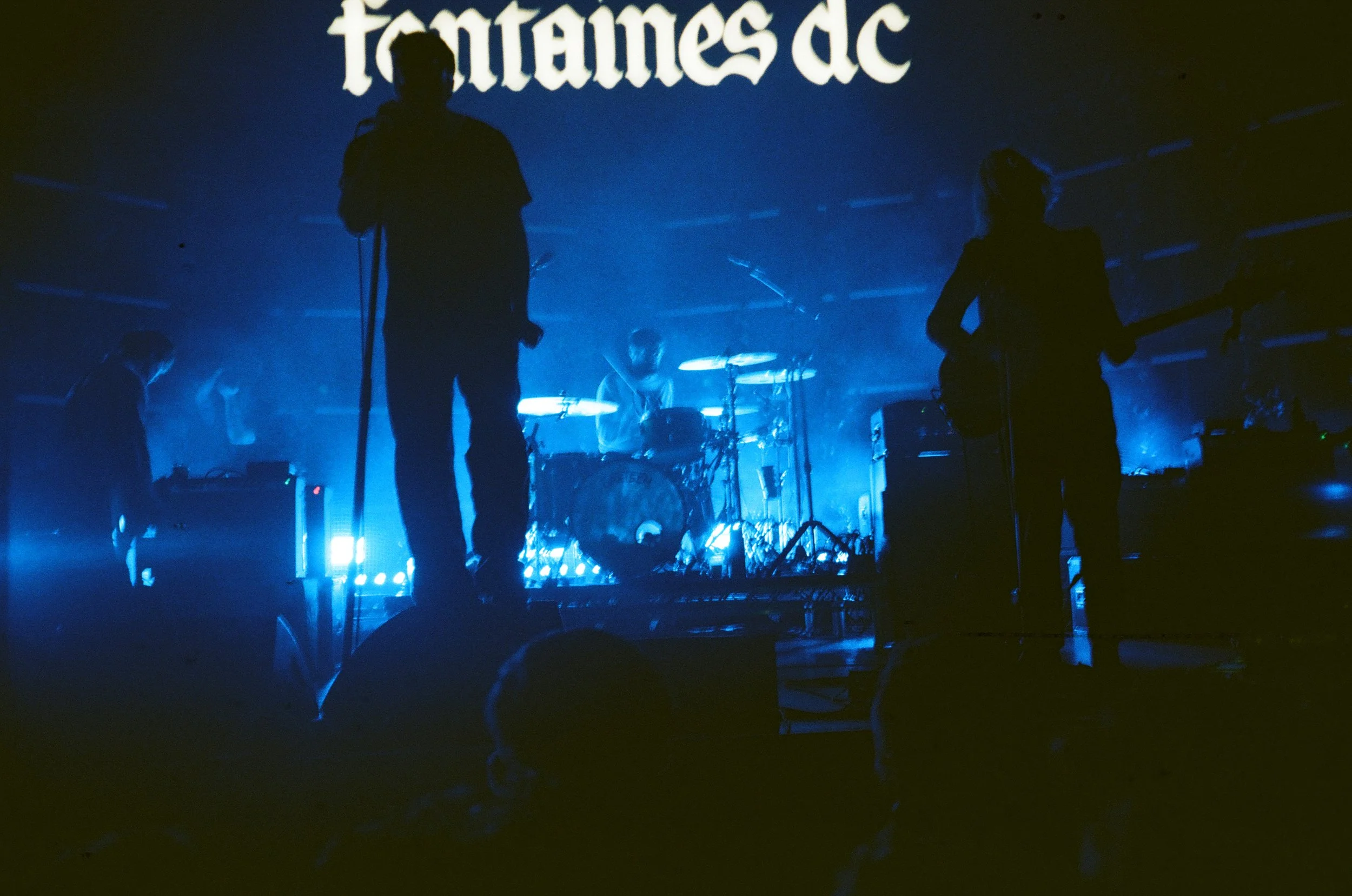
Another band that has changed how Irish fan culture can be felt is Fontaines DC. Their highly anticipated Belfast show in Boucher Playing Fields was one I was excited for for months. The crowd was buzzing and charged for a full night of Irish music, and as much as Fontaines have gained a committed fanbase, they encourage their fans as part of their music to change morally. The background of their shows is painted with Palestine flags, and the blue and pink jersey that 90% of the crowd wore to that show (the famous Bohemians FC jersey) was one that dedicated its funds to Palestine Aid. This new era of fan culture is the perfect example of utilising a faithful fanbase and crowd for the right reasons. It raises not only awareness but also productively challenges and encourages fans to use their voices and money to make a difference in a way that involves the music they enjoy.
The pride felt by being a fan is one that can't be challenged, but being a fan of Irish music creates a whole new level of admiration. Seeing a band challenge the blockades felt simultaneously by yourself allows a special rapport between the musician and fan; a connection felt through being pro-admiration of your own cultural heritage and identity. It's felt at the smaller shows you go to in Belfast city centre, and it’s felt at the shows so big you can't hear yourself think, and it makes me honoured to be a ‘fangirl’ for the musicians that surround me.