
Ireland’s music venues are disappearing: here’s why.
The first gig I ever attended without my parents was Chloe Moriondo playing their debut album, ‘Blood Bunny’ in the Oh Yeah Music Centre. It was my first time in the Oh Yeah and I remember having this sense of bubbling excitement for my first gig. Where it was just me and my friends, but also excitement, as I had never even heard of the venue previous to this. I remember waiting in a line down the brick walls. outside, and feeling like I had discovered some form of treasure trove inside the precedingly dire Belfast. There was a general buzz inside the crowd and the venue. was packed with colourful outfits and the iconic-of-the-time bunny ear hats to the very back of the venue. There is a lingering nostalgia and joy every time I look back on this memory, and although Chloe’s gig was an amazing show, this is due to the power of a good venue. I remember feeling safe and the buzz of the crowd allowing the atmosphere to be lifted even more, but now I look around at semi-regular attendance at gigs and get filled with some form of disappointment at the lack of attendees.
The issue is felt by both smaller, local venues and larger, famed venues. indistinguishably; people don't watch live music anymore and venues aren't able to support themselves self-sustainingly. Although 2025 marked a 13% increase in grassroots crowd attendance (Rolling Stone), it still plummeted drastically in comparison to pre-pandemic. 2025 showed 21 million people who went to grassroots venues, showing a consistent demand for local music, but compared to 2019’s 22 million – this drop does raise concerns. In an age infiltrated left, right and centre with an overconsumption of digital media, it's no surprise that the number of people attending live concerts and gigs has decreased, but this raises a plethora of issues. The Music Venue Trust’s annual report recorded that despite a semi-consistent level of fan turnout, over half of UK venues reported no or reduced profit in comparison to recent years. This is a staggering statistic considering that the live music industry, especially those of grassroots venues, contributed £526. million to the UK economy (Music Venues Alliance). So, for an industry so richly productive to the economy, what is causing these venues to receive no support? After thinking a long time about this question, the obvious answer to this is Covid. The closure of venues, inability to gig and financial strain are all viable answers to this question. 2023 accounted for 125 UK venues having to shut their doors. staggeringly high in comparison to pre-pandemic years; and although we have vaguely slowed this rate, it is still scarily high. In 2024, 46 venues closed, with 40 ceasing live music, and in 2025 around 30 closed, with 48 ceasing live music (The Standard). 6000 people have lost their jobs and to put it simply, all these statistics are very multifaceted to understand why. Why did the lights turn back on but the crowd did not return? Covid caused an existential crisis for the meaning of music. in general, not just those of live music. The pandemic ruptured the already ambiguous structure of artistic endeavours, with never resulting in any form of reconnection. Covid also sparked a rethinking of attitudes towards music and live performances, which contributed to this lack of gig attendance. Musicians learnt how to produce their own music and learnt the ease of rehearsing in their bedrooms. While fans appreciated the accessibility of online performances and the increase of money in their bank account when they are able to watch a concert from their living room.
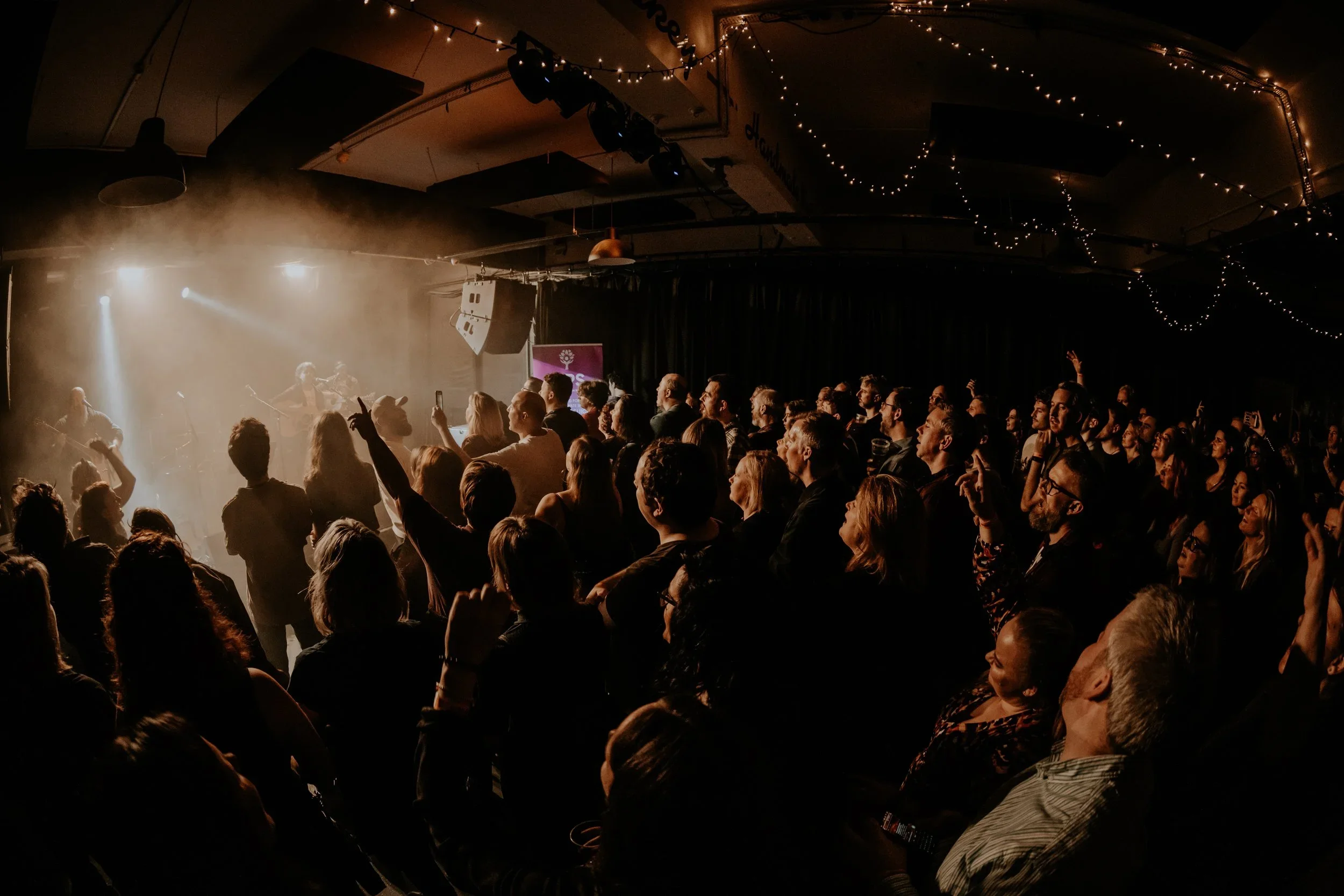
However, this led to a really damaging effect on the venues that were once walking distance from your home. The venues reopened to electricity bills that had quadrupled in price compared to before, artists started prioritising mainland UK shows (if they toured the UK at all) and staffing wages had increased to a level not sustainable for them to keep open. The general rise of costs to stay open was increased by 30-40% (Stamped Press), a deadly rise after the already killer of venues during the pandemic. The local artists simultaneously felt damage to their art, with attitudes changing towards them as artists as well. Over Covid, fans had grown accustomed to the only survivable option for most musicians: social media. Platforms like TikTok and Patreon allowed artists to continue their jobs digitally but also led to a form of entitlement from fans and concertgoers. Constant access lowered the costs of gigs and made the artists curate their performances towards the songs that had “blown up”; but now the artist is right in front of their eyes and they are only recognised as a one-hit wonder. Strong streaming numbers don't correlate anymore to sold out-shows and I think that's a notion hard to swallow for any artist. Success has always been vague in terms of definition, but now there isn't a pedestal to show (for example) your achievement of getting over a million likes on TikTok when only 10 people show up to your show. However, is this instant gratification culture of accessibility to music always a bad thing? My answer to this question is nearly impossible to resolve. I am an avid physical media enjoyer; I love blasting CDs in my car, playing records on my dad’s old record player and the undeniable fuzzy feeling from the pure joy felt at a gig. But does this mean I’m immune to the easiness of playing playlists curated for my exact taste anywhere at any time? Not at all.
Accessibility does not always lead to a decrease in crowd attendance, but there is definitely some form of causation and correlation between it and the shutting of venues. There's no longer a desire for independent local discovery when an algorithm can do it for you. Instead of bonding with budding artists through the warm and sweaty feel of a grassroots venue, you can now pay them to receive content through patreon which cuts out a vital necessity for these places. This is a really scary but real issue, as the result is not disengagement with art but detachment. The whole purpose for music as a whole has been reverted to robotics, something I feel cannot continue. Grassroots venues are the first leap for smaller artists into the world of fame and as venues run by people who give some future rock stars their first taste of independence, it's so vitally important we sustain support for these venues. The preservation of these venues depends not only on engagement but on presence. likes, follows and comments (although also encouraged) don't keep doors open; ticket sales and participation do. These venues are the cultural foundation of live music as a whole; they allow a soft experimentation for bands around us to try, fail and try again. A privilege that shouldn't be stripped from them. Grassroots venues support the most authentic of music, championing independent musicians that are pushing with their all to succeed so do them a favour: log off and show up. If you want to really feel the important aspects of music (community, connection and a comfortable space to explore identity), then buy that ticket. Go to that gig you're too scared to go to alone, make some friends and have a good time because streaming didn't kill nightlife, policy neglect did.