
Pride in Practice: The Politics of Queer Music in Belfast
The beginning of June marks an important date everywhere. Pride month encourages the thankfully familiar narrative of bringing awareness and celebration to the progress Ireland has made when it comes to LGBTQ+ individuals; this month (as vitally important as it is) is only a short celebration of the huge milestones the queer community has achieved within years of deeply rooted culture.
Queer culture has always been tied to music as they both share a colorful history of resistance and encourage a community of self-expression. For generations, music and live performance have offered a space where LGBTQ+ people can celebrate their identities beyond the hurtful limitations imposed on them by years of lack of progression of laws and societal pressures. This instead creates a space that provides both a soundtrack and a sanctuary within the scene not too far from our doors.
Belfast’s music scene nurtures these spaces in countless ways, from club nights and DIY venues to grassroots festivals. This Pride Month, there is an opportunity not only to share in the joy, celebration and freedom that queer music offers, but also to actively support the communities that create it. Allyship is more than attending a Pride event once a year; it is showing up for queer artists and buying tickets, amplifying their work and recognising the cultural labour that goes into building spaces where people can feel seen. In a city still defining its future daily, supporting queer music means supporting a more inclusive and creatively vibrant Belfast for everyone. So what events can you attend?
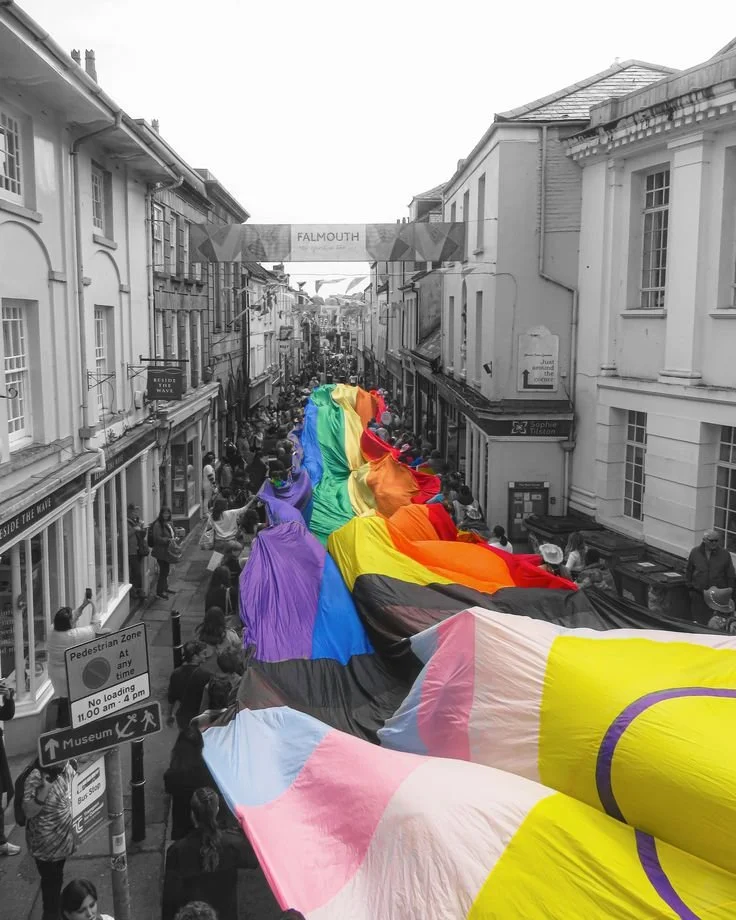
Belfast’s Pride festival officially starts from July 17th and ends July 26th, but Belfast hosts events and celebrations all year round which are more than great shows to attend. During March of this year, Girls with Guts and Queer Belfast hosted ‘Queerphoria’; Belfast’s “first queer music festival”. In the industrial backbones of Belfast’s Banana block, Queerphoria carves out the former factory space into an abstract celebration of queer bodies. It places Queer musicians and audiences right at the centre, with an ethos that commemorates DIY culture and grassroots organising. It ran for hours rather than a single set, encouraging people to stay and drift, connecting in the venue rather than just pass through it. This year hosted musicians such as headliners TRAMP, Beauty Sleep, George Houston, Lord Jane, Klyda, Ciúnas and more. The diversity of artists lean into no single genre reflecting how fluid queer music spaces have become in Belfast and beyond, and are part of what make events like this so special and inclusive in not only audience’s identity but also tastes.
Although, what makes Queerphoria greater stand out is its strong political undercurrent running through it. Half of all proceeds went to organisations like The Rainbow Project and Rainbow Refugees NI (Raising a whopping £1761.50 for these organisations), with the other half going directly to artists. Current times allow that split to matter so imperatively, framing the event not just as a celebration but as a form of redistribution and support within the queer creative ecosystem. For such a successful night, I hope that this festival becomes one of Belfast’s annual events.
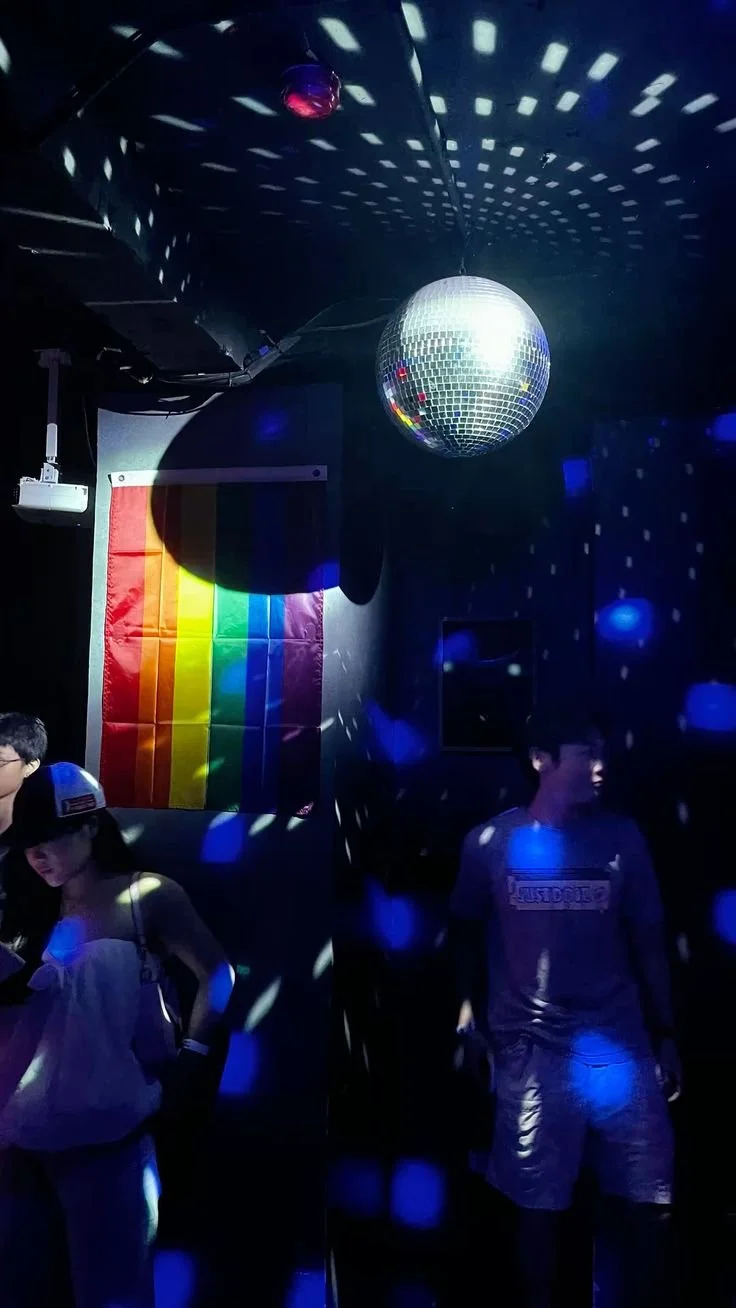
The next upcoming months host a great line-up of music based events to attend and not only celebrate but support LGBTQIA+ communities, so here’s a few I’d recommend greatly.
The Rainbow project are pairing with Belfast Tradfest this year to put on ‘The Big Queer Céilí’, uniting LGBTQIA+ people, friends, and allies for an evening of lively céilí dancing and shared craic. Music from the Close Brothers Céilí Band underpins the event, with Belfast-based teacher Alexa Moore calling the dances in a way that blends traditional set dancing with gender-neutral instruction and contemporary queer culture. The result is an inclusive space that opens up céilí dancing to everyone, whether seasoned regulars or those encountering it for the first time. The céilí will raise vital funds to support LGBTQIA+ rights and advocacy work across Northern Ireland and is open to anyone and everyone, so get your dancing shoes on and head down to The Black Box.
Another event is The Drag Wounds Annual Trans Pride Festival Fundraiser, a safe-space, all-ages music and arts festival in Belfast’s Oh Yeah Music Centre that raises money for the local LGBTQIA+ community. The event features a diverse lineup of musical acts, vendors, and drag performances, with 50% going to support the Trans Pride Festival and 50% to the Belfast Trans Resource Centre (BTRC). The event features numerous acts of local talent such as Rose Fatale and the Sufjan Stevens tribute ‘All Things Go’, and is gorgeously described as 'a safe space to be yourself, to present as you want to present and to meet other like-minded people'. The event sold out rapidly last year, so buying tickets early is necessary.
Problem Promotions will host the Indie Punk Pride Party on July 23rd of this year, with headline performances from Pixie Cut Rhythm Orchestra and Fightmilk and support from Klyda and the Alanah Frances showband. The event is coined as there being “nothing better than getting your face queer indie punk artists in a big room together” and I couldn't agree more. Similarly, 50% of proceeds for the show go to Trans pride NI so make sure to get a ticket in advance to show your support.
While Belfast’s queer music culture continues to grow in visibility and imagination, it exists alongside ongoing structural inequalities that remain deeply felt by all communities. From long waiting lists for trans healthcare to persistent hate crime reporting and the fragile funding landscape for grassroots arts spaces, these events are not only celebrations but responses to gaps in provision that still shape LGBTQ+ life in Northern Ireland. As Belfast continues to evolve, these scenes offer a blueprint for a more open and creatively honest city. Supporting them is not confined to Pride season but an ongoing commitment to the people who build and sustain them. In the end, queer music culture in Belfast is not just something to attend but is something to actively take part in and protect, so make sure to keep listening long after the festival lights fade.