
Rehearsal room economy: built on sound but starved of space.
Rehearsal rooms are never as glamorous as you'd think. I’m sure when you imagine big artists like U2 or My Bloody Valentine rehearsing, you imagine a glamorous space of artistic genius. Lo-fi warm-tinged lamps, 70s mandala rugs and comfortable sofas with music stands veiling the floor. But in reality, the rehearsal rooms that are accessible to young artists these days are lucky if they have two functional amps, enough space for a drum kit and a lack of a general musty smell.
In a space meant for rearing half-formed ideas into musical masterpieces, why is it that local artists are struggling to leave the confines of their homes to practice? Rehearsal rooms are where bands actually find themselves as artists; the repetitive nature to the replaying of the same 30 minute set, the arguments about what key each member wants the song in, that relief felt when a scrambling of lyrics and roaring of guitars clicks in all of your minds and becomes a song, but artists are finding it harder and harder each year to find a place to house these moments.
Places like the Oh Yeah Music centre are one of the only consistent and available places for artists to practice. They offer equipment in an accessible area of Belfast at a pretty affordable price, but with only a few rooms (and hundreds of bands) it's unfair to expect them to be able to fit in everybody. One building can't carry an entire city.
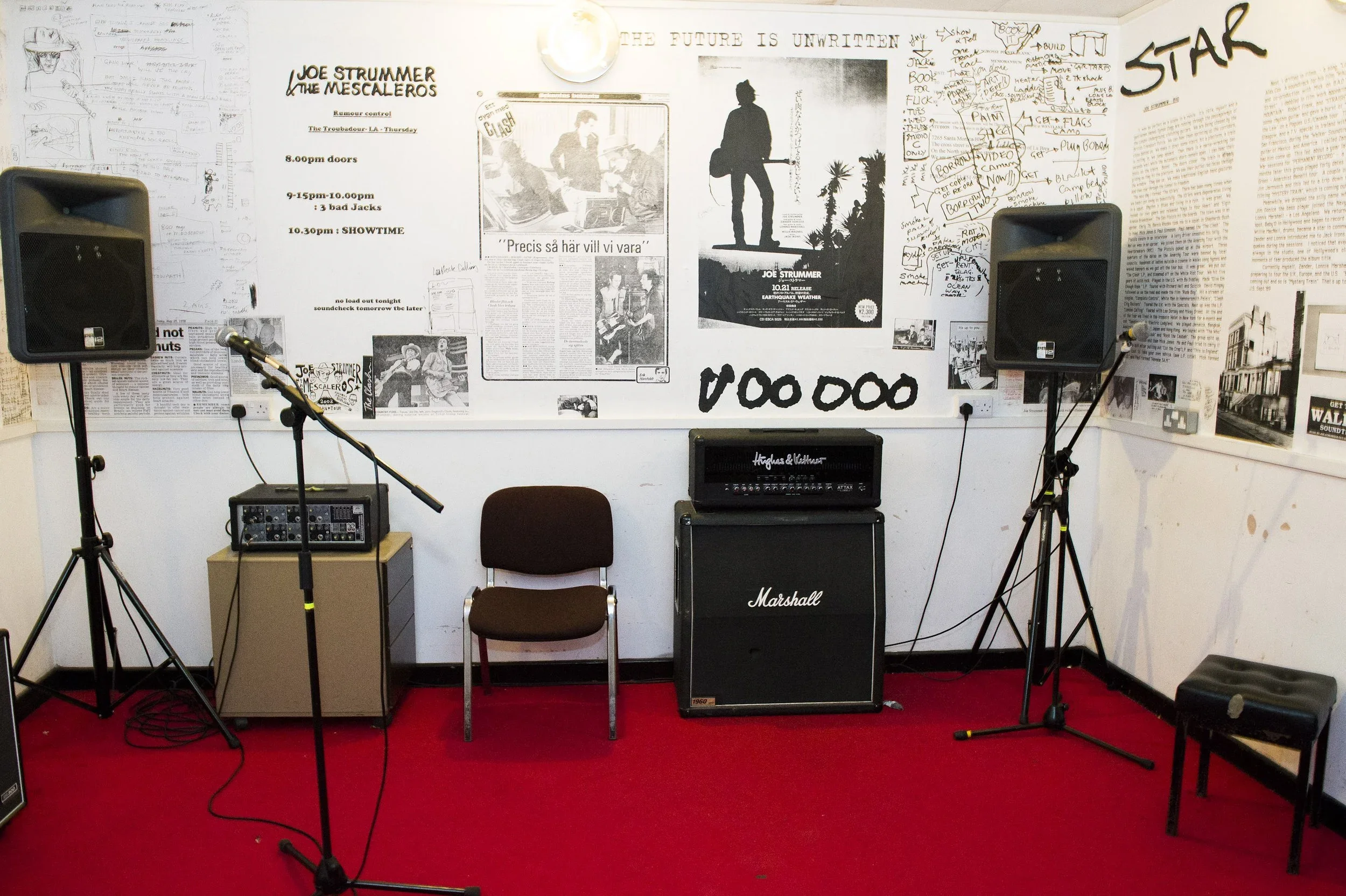
One of the main fallbacks of rehearsal room economy in Belfast, lies in just that; the economy. Prices are rising higher and higher each month while the city and its people struggle to afford the rising costs of everyday living. You can rehearse, but only at certain hours that don’t slide with ease into the days of those working 9-5’s. You can play, but only for the staggering prices of up to £20 an hour, which immediately shoots down hundreds of people who can’t afford these prices once or twice a week, every month. You can compose, but only if you don't mind the booming thumps on the door the very second you accidentally run overtime; because the next band can’t afford to lose any of their own time.
This is where rehearsal room economy starts to slowly fracture over time. There is a huge difference between accessibility and availability, and although those lucky enough to be able to slide a few 2 hour slots into their week once or twice, there’s a 50/50 chance someone else hasn't already booked that slot. The kind of permanence of finding a place to keep your equipment in (and keep it safe), is rare and dwindling as these types of offers are only there for one or two places. So therefore, sessions become rushed, pressure is applied painfully on the backs of those trying to practice their skill but also on those offering places to play as the fight gets bigger and bigger for who wants it more.
This might seem like an easy fix, where people can just rehearse in their homes or in their mate’s garage, but for those living in the city this is near impossible. There aren't places to fit everyone in the band in, and the neighbours complain about the thundering riffs and steady thumps of drums. The lack of spaces for people to practice has a detrimental effect on the entire scene as a whole. Without consistency, the music is changing. Bands aren't allowed to tighten their set, the creative flow is always interrupted by a timer going off which indicates
pack up time and trying to book into one of only a handful weeks becomes an added pressure to the already thin patience of struggling musicians. So what can be done?
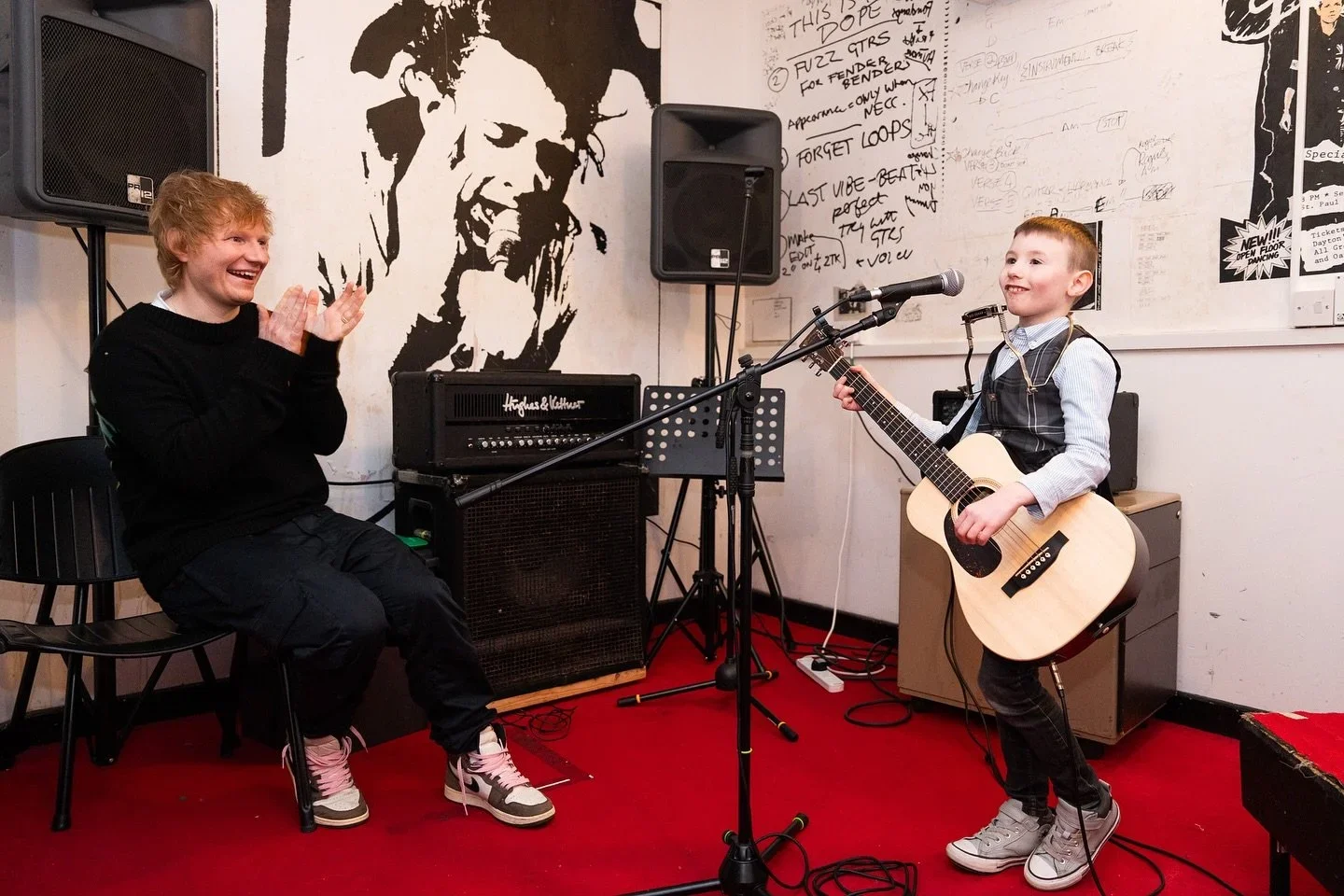
A city that prides itself on its music needs space and not just symbolic space, but physical, affordable, consistent places where musicians can experiment and fail without a meter running. There is a dire need for more spaces for musicians to have as their own but this comes from a lack of funding into music as a whole. Sometimes it feels like funding for music goes into promoting and putting on extravagant line-ups for big time and established festivals, but this type of funding needs to be somewhat allocated to the artists that could be playing these festivals in a few years. Space is something greatly desired but also greatly necessary. Northern Ireland has no issue when it comes to creativity, but instead for supporting this creativity. The council has an opportunity for treating musicians the same way it treats sports facilities and libraries, by treating these spaces as essential cultural infrastructure instead of just leaving it all in the hands of the band’s themselves.
However, that leads to another problem. Rehearsal spaces disappear because they’re easy to displace. A new development, a complaint about noise and rising rent suddenly gets rid of a room that held ten bands. Cities that take music seriously introduce “agent of change” principles, where new developments have to adapt to existing cultural spaces, not the other way around. Without that kind of protection, every new apartment block risks erasing part of the scene.
Going even deeper, the problem lies in the mistreatment of musicians in general: treating music as a hobby but not something worth fighting for. Most of the musicians you know are battling day jobs as well as degrees, putting the money earnt aside for equipment and rehearsal’s and this type of long-term dedication is something to be valued and admired. Everyone listens to music and says they like it, but not everyone supports the artists that can become the next emerging new band, so a change in mindset is greatly necessary.
All the solutions are right in front of us, from funding to a deeper change in attitudes, but all that can be done for now is pushing for this change to happen. However, until this change is ready to happen, rehearsal rooms remain as they always were; essential and alive but sometimes out of reach for those who need it the most. Our musicians deserve better than that.